TL;DR: Journal to the Self by Ana Juma teaches 18 journaling techniques for self-understanding, personal growth and expression. Ana is a Certified Journal to the Self Instructor with 10+ years of coaching work. The method dates back to 1985 and has reached 100,000+ people. Take it self-paced or join a live cohort.
Who Is Ana Juma and Why Journal to the Self Works
Ana Juma is a writer, facilitator and personal-development coach. She holds certifications in coaching, journaling psychology and cognitive behavioral techniques, and she is a Certified Journal to the Self Instructor. That credential matters. She did not invent the framework. She was trained and certified to deliver it. Across 10+ years of focused work helping people, her role reads less as guru and more as guide. That is the right posture for journaling, which only works when the words are your own.
What Journal to the Self Teaches
At its core, the course treats journaling as a tool for self-understanding, personal growth and expression. The idea is simple. Instead of facing a blank page, you learn 18 distinct techniques that give your writing shape and direction. Some are fast and structured. Others are slow and reflective. The goal is not to keep a diary. It is to build a practice you can return to whenever you want to think something through on paper.
The 18 Journaling Techniques
This is what separates the program from generic advice to just write more. The 18 techniques are a structured method rather than blank-page journaling. Each one is a different lens. Some prompt short timed bursts. Others use lists, dialogue or unsent letters. You are not meant to use all 18 at once. You pick what fits the moment. Research on expressive writing suggests that putting experience into words can help people process it, and Harvard Health summarizes some of that research on expressive writing for anyone who wants the evidence side.
An Established Method With a Long History
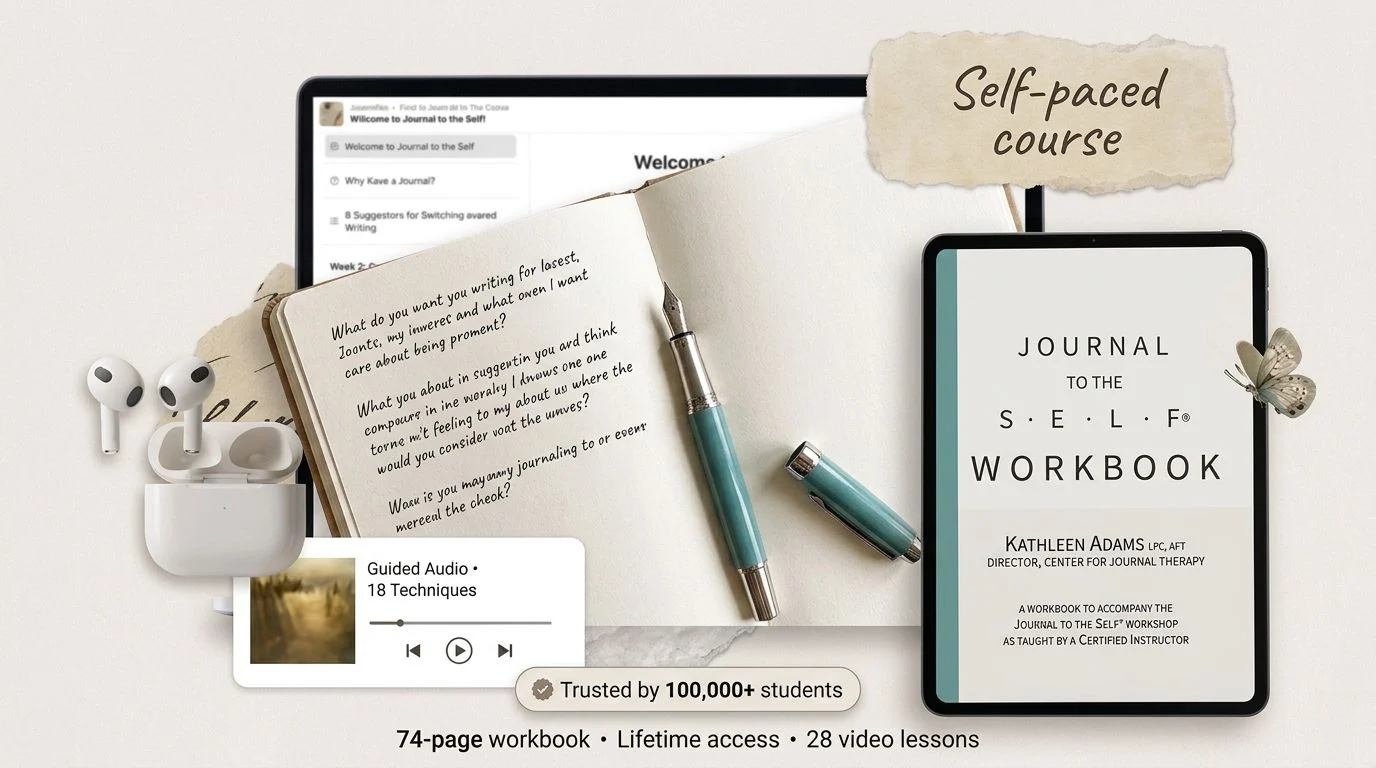
Journal to the Self is not a new program dressed up for 2026. The method was created in 1985 by Kathleen ‘Kay’ Adams, Director of the Center for Journal Therapy, and it has reached more than 100,000 people worldwide. Ana Juma delivers that same curriculum as a certified instructor. The long track record is the strongest argument for it. Journaling frameworks come and go. This one has stayed in circulation for roughly four decades, which is rare.
Who Journal to the Self Is For
This suits anyone who wants a structured journaling practice for self-reflection and keeps bouncing off the blank page. Beginners and lapsed journalers both fit. You can take the Ana Juma course self-paced, or join the live cohort with weekly 90-minute calls, community and accountability. Who is it not for? If you already journal daily with a system you love, the 18 techniques may only formalize what you do. One honest note before you buy.
Journal to the Self: Common Questions Answered
What is Journal to the Self?
A structured journaling course built around 18 techniques for self-understanding, personal growth and expression, taught by Ana Juma.
Who is Journal to the Self for?
Anyone wanting a structured self-reflection practice, from total beginners to people restarting a journaling habit.
Is Journal to the Self worth it?
If you keep abandoning the blank page, yes. The 18 techniques give you a path to follow instead of relying on vague willpower.
Is Journal to the Self legit?
Yes. Ana Juma is a Certified Journal to the Self Instructor, and the method was created by Kay Adams in 1985 and has reached 100,000+ people.
Can I take Journal to the Self self-paced or live?
Both. Work through it on your own schedule, or join the live cohort with weekly 90-minute calls and a group.
Is Journal to the Self therapy?
No. It is educational self-reflection and personal growth, not a substitute for professional mental-health care.
Is Journal to the Self Worth It?
As journaling courses go, this one earns its place in our catalog. You get a method with four decades behind it, taught by a certified instructor, with a clear route through 18 techniques instead of vague encouragement to write. The self-paced option works if you are disciplined. The live cohort adds the accountability most people actually need. Go in expecting a practice to build, not a quick fix, and it holds up.