
Is Dropshipping Worth It in 2026? (Honest Analysis)


TL;DR: Dropshipping is worth it in 2026 if you have $500+ to invest, 10-20 hours weekly, and patience for 3-6 months without profit. The market is projected to hit $1.25 trillion by 2030, but 80-90% of stores fail. It’s not a get-rich-quick scheme—it’s a real business that requires marketing skills.
Last updated: February 2026
Everyone on TikTok makes dropshipping look easy. Find a product, list it, watch the money roll in.
Reality? Most dropshipping stores fail within the first year.
I’m not here to sell you a dream or crush your ambitions. This is an honest breakdown of whether dropshipping makes sense for you in 2026—with real numbers, not hype.
What Is Dropshipping and How Does It Work on Shopify, Amazon, and eBay?
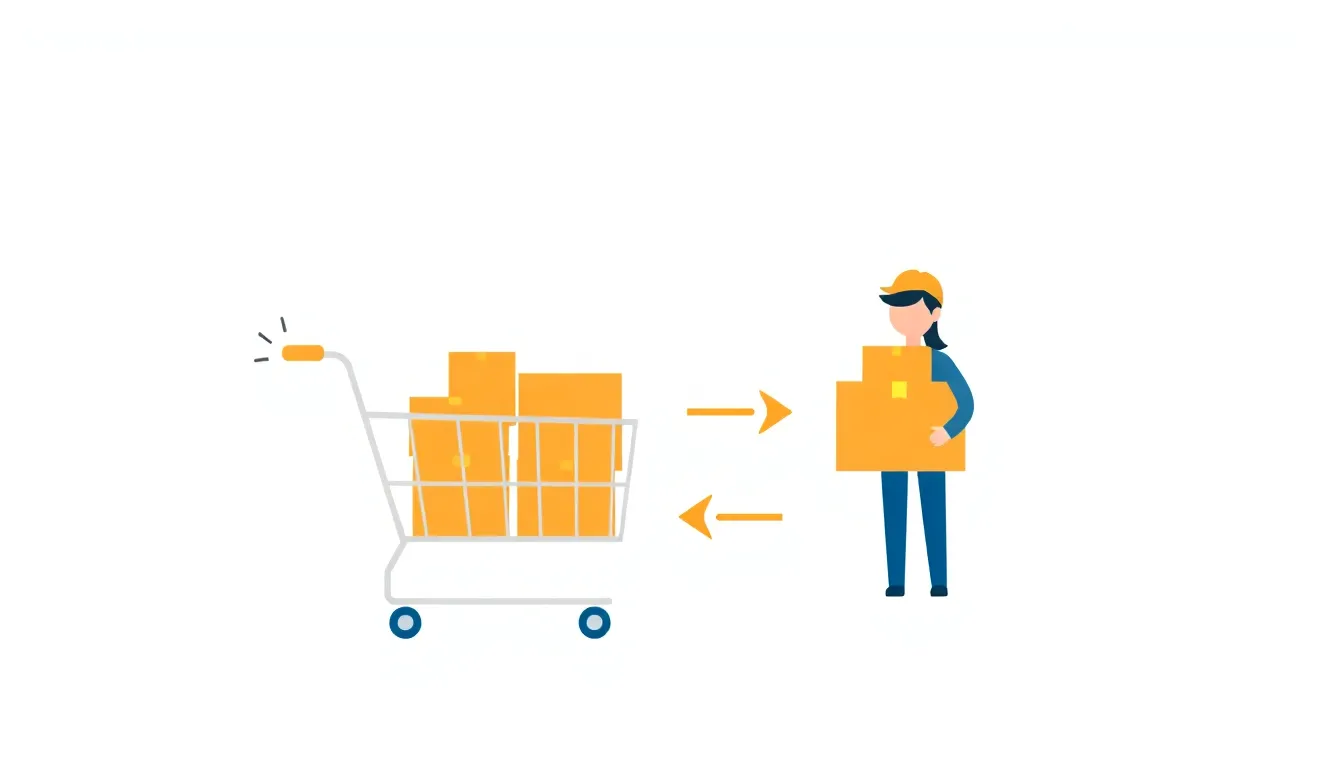
Dropshipping is an ecommerce model where you sell products without holding inventory. When a customer orders, your supplier ships directly to them. You profit from the margin between your price and supplier cost. If you’re new to ecommerce, a structured dropshipping course like Biaheza’s can accelerate your learning curve significantly.
Here’s how the flow works:
- You list a product on your store for $30
- Customer buys it from you
- You order it from your supplier for $12
- Supplier ships directly to your customer
- You keep the $18 difference (minus fees and ad costs)
The most common setup? A Shopify store connected to suppliers on AliExpress or through apps like DSers and Spocket.
You can also dropship on Amazon, eBay, or WooCommerce—each with different rules and fee structures.
The model is simple. Making it profitable? That’s where things get interesting.
Is Dropshipping Still Worth It in 2026?
Yes, dropshipping is worth it in 2026 for the right person. The global market hit $365 billion in 2024 and is projected to reach $1.25 trillion by 2030. However, success requires realistic expectations about profit margins and competition.
The numbers from Grand View Research are compelling: 22% compound annual growth rate through 2030.
But here’s what the influencers don’t tell you:
- Only 10-20% of dropshipping stores become profitable
- The space is more competitive than it was in 2020
- Ad costs have increased significantly
- Customers expect fast shipping (AliExpress’s 2-4 weeks doesn’t cut it anymore)
Dropshipping isn’t dead. But the “list it and forget it” era is over. For sellers wanting the Amazon advantage without inventory headaches, Smart Amazon Ecommerce 2026 covers proven FBA strategies from a $127M+ agency. The winners in 2026 treat it like a real business—because it is one.
How Much Money Can You Make Dropshipping?
Beginner dropshippers typically earn $200-$1,000 per month. Intermediate sellers make $1,000-$5,000 monthly. Top performers earn $10,000+ per month, but this takes 6-12 months of consistent effort and significant ad spend.
Let’s break down realistic income levels:
| Level | Monthly Revenue | Profit Margin | Take-Home |
|---|---|---|---|
| Beginner (Month 1-3) | $1,000-$3,000 | 10-15% | $100-$450 |
| Intermediate (Month 4-12) | $5,000-$15,000 | 15-20% | $750-$3,000 |
| Advanced (Year 2+) | $30,000+ | 20-30% | $6,000-$9,000 |
Notice the profit margins? They’re thin. A $30 sale might only net you $3-5 after ad costs, platform fees, and supplier costs.
That’s why volume matters. You need to sell a lot of products to make meaningful income.
The real money in ecommerce comes from building a brand, not just flipping products. Many successful dropshippers eventually transition to private label or holding their own inventory once they prove product-market fit.
If you want to understand the full ecommerce landscape before diving in, use Andrew Yu’s A-Z Shopify Dropshipping course to see what skills successful store owners master.
What Are the Pros of Dropshipping with Shopify and AliExpress?
The main advantages of dropshipping are low startup costs ($100-$500), no inventory risk, location flexibility, and the ability to test products quickly. You can start while keeping your day job.
Low barrier to entry. You don’t need $10,000 to buy inventory upfront. A Shopify subscription ($29/month), a domain ($12/year), and some ad budget gets you started.
No warehouse headaches. You’re not storing products in your garage or renting fulfillment space. Suppliers handle storage, packing, and shipping.
Location independence. Run your store from anywhere with WiFi. Your laptop is your office.
Easy to test products. If something doesn’t sell, you’re not stuck with 500 units. Just remove the listing and try something else.
Scalable. Selling 10 products or 10,000 requires roughly the same effort from you. The supplier handles the fulfillment complexity.
What Are the Cons of Dropshipping?
Dropshipping downsides include thin profit margins (10-30%), high competition, slow shipping times from overseas suppliers, limited branding control, and customer service headaches when suppliers make mistakes.
Razor-thin margins. After ad costs, platform fees, and supplier costs, you might keep 10-20% of each sale. One refund can wipe out profits from multiple orders.
Everyone’s your competitor. That “winning product” you found? A hundred other people found it too. They’re running the same ads to the same audience.
Shipping delays hurt. When customers wait 3-4 weeks for their order, they get angry. Chargebacks and negative reviews follow.
No quality control. You’ve never touched the product you’re selling. When suppliers send defective items, you deal with the fallout.
Return nightmares. Coordinating returns with overseas suppliers is complicated. Many dropshippers just refund without requiring the product back—eating into margins further.
These challenges don’t mean dropshipping is dead—they mean the easy money era is over. The dropshippers who succeed in 2026 build real brands, source from US-based suppliers for faster shipping, and invest heavily in customer experience.
Consider learning from those who’ve already figured it out. A structured program like Biaheza’s Full Dropshipping Course can compress months of trial and error into weeks of focused learning.
Is Dropshipping Worth It for Beginners?
Dropshipping can work for beginners because startup costs are low and the model is straightforward. However, beginners often underestimate the marketing skills needed. Budget at least $500 for ads and 3-6 months for learning.
The model itself is simple. The hard part? Marketing.
You need to learn Facebook and Instagram ad creation and targeting, TikTok organic and paid strategies, Google Shopping campaigns, landing page optimization, and email marketing for repeat customers. These aren’t optional skills—they’re the core of what separates successful dropshippers from the 80% who fail.
Most beginners fail not because dropshipping doesn’t work—but because they don’t invest enough time learning the marketing side.
If you’re serious about starting, consider taking a structured program like Scott Hilse’s Simplified Dropshipping 5.0 first. The upfront investment in education saves money on costly trial-and-error mistakes.
How Much Does It Cost to Start Dropshipping on Shopify in 2026?
Starting a dropshipping business costs $100-$500 minimum. This covers platform fees ($29/month for Shopify), domain ($12/year), and initial ad testing budget ($200-$500). Total realistic first-year investment is $1,000-$3,000.
Here’s a realistic startup budget:
| Expense | Cost |
|---|---|
| Shopify subscription (year 1) | $348 |
| Domain name | $12 |
| Theme (optional) | $0-$180 |
| Apps (DSers, reviews, email) | $20-$50/month |
| Ad testing budget | $500-$1,500 |
| Product samples | $50-$100 |
Realistic total: $1,000-$2,500 for your first year.
The people who say “start dropshipping for free” are misleading you. You can create a store for cheap, but without ad budget, nobody will find it.
Compare this to affiliate marketing, which you can genuinely start with $0 (though it takes longer to see results). Or starting an SMMA, which requires no capital but does require sales skills. If trading interests you more than ecommerce, check our review of the best day trading courses for an alternative path.
Every business model has trade-offs. Dropshipping’s advantage is that $1,000-$2,000 can get you a legitimate shot at building an ecommerce business. Traditional retail would require 10-50x that investment.
What Makes Dropshipping Fail?
Most dropshipping businesses fail due to poor product selection, insufficient ad budget, unrealistic expectations, and giving up too early. The biggest mistake is copying competitors instead of finding a unique angle.
Picking bad products. That cool gadget that went viral last month? It’s already saturated. By the time you see it, the opportunity has passed.
Underfunding ads. Running $5/day Facebook ads won’t give you enough data to optimize. You need at least $20-$30/day per product to test properly.
Expecting fast results. “I ran ads for 3 days and got no sales.” That’s not a failed business—that’s barely started testing.
Copying everyone else. Same products, same ads, same landing pages. Why would customers choose you?
Ignoring customer service. One-star reviews sink stores. Respond fast, refund generously early on, and build trust.
The dropshippers who fail typically give up after 1-3 months. The ones who succeed often tested 10-20 products before finding their winner. If you’re not prepared for that level of persistence, consider a different business model.
For deeper strategies on finding winning products and scaling ads, explore the Ecom University Blueprint 2.0 or browse the full ecommerce training library.
Should You Start Dropshipping in 2026?
Start dropshipping in 2026 if you have $500+ to invest, 10-20 hours weekly to commit, patience for 3-6 months without profit, and willingness to learn marketing. Skip it if you expect passive income or quick money.
Dropshipping is right for you if you have $1,000-$2,000 you can afford to lose, you’re willing to spend 10-20 hours per week learning, you have patience for a 3-6 month learning curve, you want to learn ecommerce fundamentals, and you’re okay with thin margins and high volume sales.
Dropshipping is NOT for you if you need income this month, you think it’s passive income (it’s not), you’re unwilling to learn paid advertising, you have zero dollars to invest, or you tend to give up after a few failed attempts. According to Shopify’s research, persistence through the first 3-6 months is what separates successful stores from the majority that close.
Alternatives to consider: If dropshipping doesn’t fit, look into affiliate marketing (lower startup cost, no customer service) or starting an SMMA (service business, higher margins).
Dropshipping vs Affiliate Marketing vs SMMA
| Factor | Dropshipping | Affiliate Marketing | SMMA |
|---|---|---|---|
| Startup Cost | $500-$2,000 | $0-$500 | $0-$300 |
| Time to Profit | 3-6 months | 6-12 months | 1-3 months |
| Profit Margins | 10-30% | 5-50% | 50-80% |
| Customer Service | High (you handle it) | None | High (client work) |
| Scalability | High | Very High | Medium |
| Best For | Product sellers | Content creators | Service providers |
Frequently Asked Questions
Can I make $10,000 per month dropshipping?
Yes, but not quickly. Reaching $10,000/month profit typically takes 12-18 months of consistent effort, successful product testing, and scaling ad spend to $100-$300/day. Success at this level requires testing 10-20 products, building a recognizable brand, and reinvesting profits into scaled advertising campaigns. Most dropshippers never reach this level—but those who do often started with proper training.
Is dropshipping legal?
Yes, dropshipping is completely legal. You’re acting as a retailer, buying wholesale and selling retail—the supplier just ships directly. However, you need a business license in most states and must pay taxes on profits. Read more about dropshipping on Amazon for platform-specific rules.
How long does it take to make money dropshipping?
Most successful dropshippers see their first profit in 2-4 months. Breaking even on ad spend typically happens in month 1-2. Consistent monthly profit usually takes 3-6 months of active testing and optimization. According to Oberlo’s industry data, stores that survive past the 6-month mark have significantly higher long-term success rates.
Is dropshipping better than affiliate marketing?
It depends on your situation. Dropshipping has higher revenue potential but requires more capital, customer service, and operational work. Affiliate marketing has lower startup costs and no inventory or shipping headaches, but typically lower income ceilings. If you prefer building your own brand and don’t mind handling customers, choose dropshipping. If you prefer content creation without operational complexity, affiliate marketing may suit you better.
What is the best dropshipping course for beginners?
The best dropshipping course depends on your learning style and budget. For comprehensive training, Biaheza’s Dropshipping Course covers product research, store setup, and Facebook ads in detail. Scott Hilse’s Simplified Dropshipping is ideal for beginners who want a streamlined approach. Both include community access and updated strategies for 2026.
Editorial Note: This analysis reflects publicly available market data and industry statistics. Income figures are based on reported ranges across dropshipping communities and surveys. Individual results vary significantly based on niche selection, marketing skills, and capital investment. This content was researched and written by the UDCourse editorial team with AI assistance.
